Cold-Weather Induction Welded Membrane Attachments on Commercial Pharmaceutical Production Facilitys
The Criticality of Pharmaceutical Envelope Integrity in Cold-Weather Environments
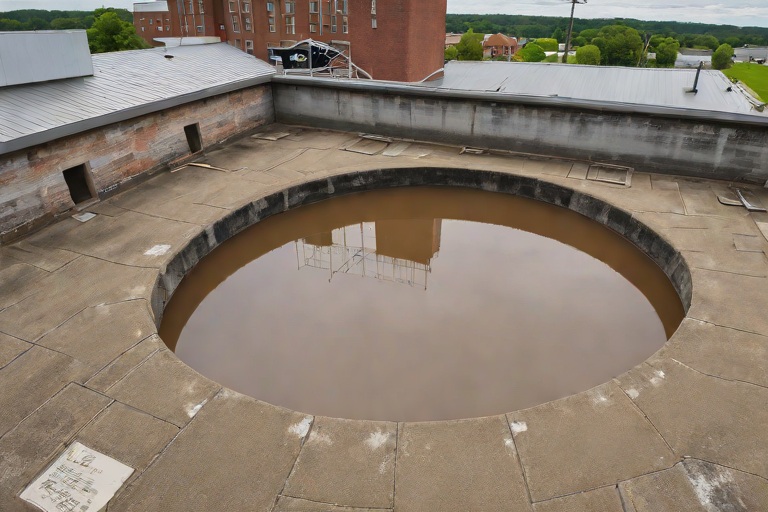
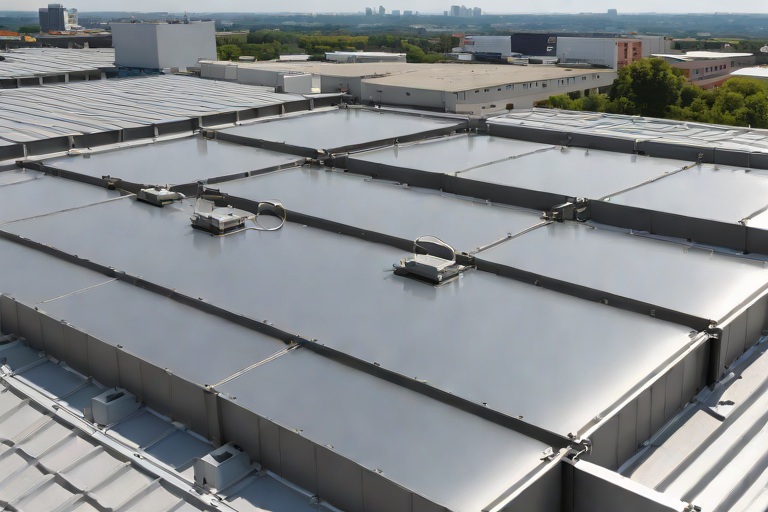
In the realm of pharmaceutical production, the building envelope is not merely a shelter; it is a primary component of the facility's contamination control and pressure regulation system. When auditing a pharmaceutical production facility, the margin for error regarding membrane attachment is non-existent. Cold-weather installations introduce significant variables, primarily the contraction of thermoplastic membranes and the reduction of chemical adhesive efficacy. For this specific case study, we examined a facility requiring a high-performance TPO (Thermoplastic Polyolefin) membrane installed during a winter cycle where ambient temperatures frequently dipped below 20 degrees Fahrenheit.
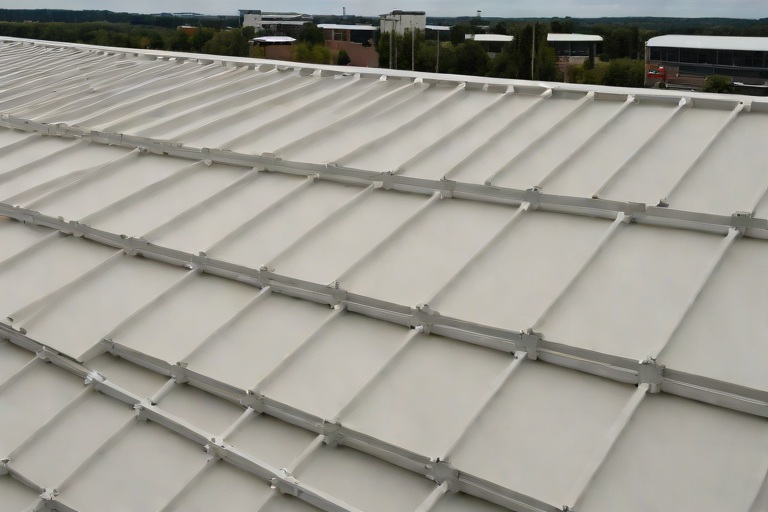
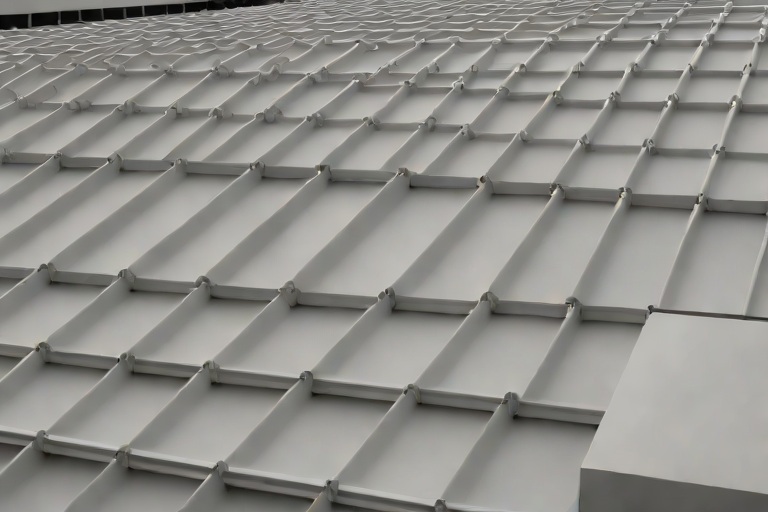
The primary engineering challenge in these environments is ensuring a consistent, monolithic bond between the membrane and the roof deck without relying on mechanical fasteners that create thousands of punctures in the substrate. Such punctures act as thermal bridges and potential leak paths, which could compromise the sterile environment of the production floors below. Our focus shifted toward electromagnetic induction welding, a process that utilizes high-frequency currents to generate heat directly within the bonding plate, ensuring a fusion weld that is structurally superior to traditional hot-air welding in extreme cold.
- Compliance with ASTM D-series standards for thermoplastic fusion.
- Mitigation of thermal bridging to maintain internal pharmaceutical climate controls.
- Elimination of fastener-induced punctures to ensure a 100% watertight envelope.
- Management of membrane shrinkage caused by extreme temperature differentials.
Electromagnetic Induction Bonding and Precision Thermal Calibration
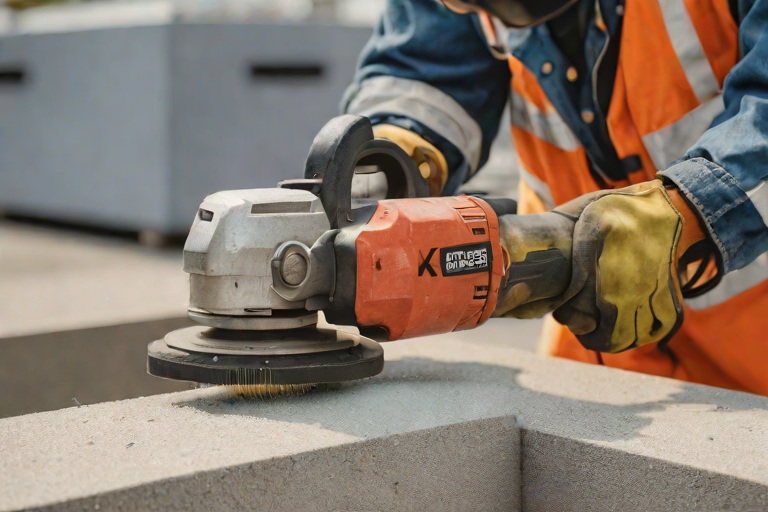
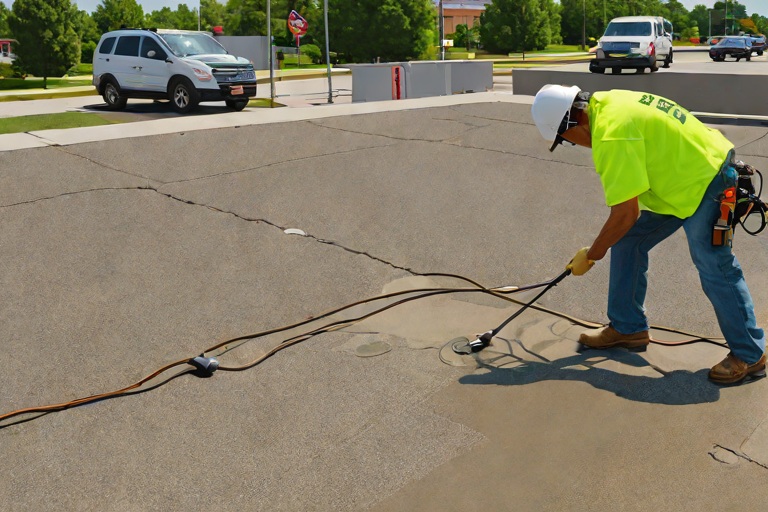
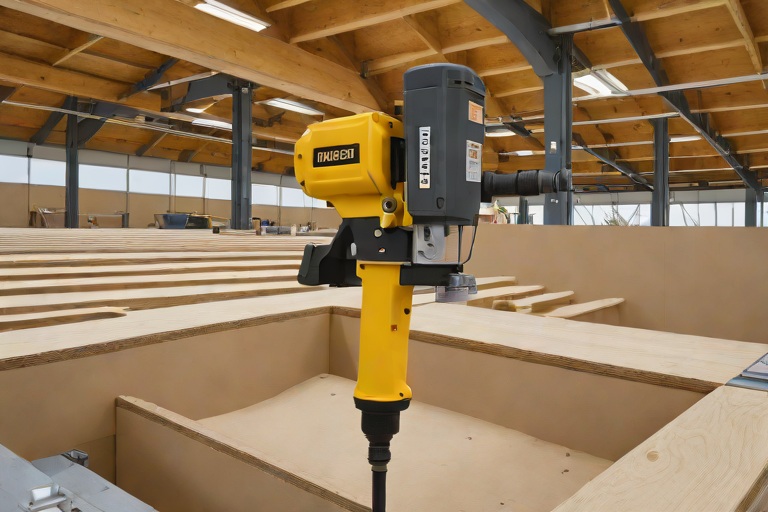
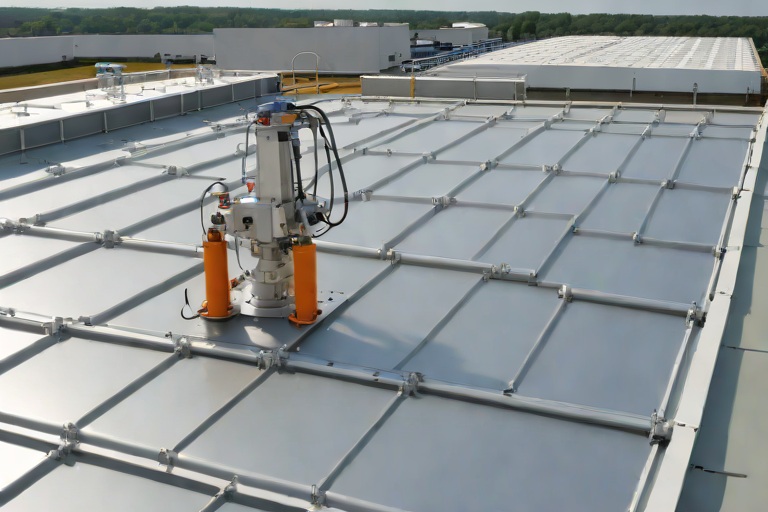
The core of our engineering approach centered on the deployment of electromagnetic induction plate bonding. Unlike traditional welding, which heats the air to melt the plastic, induction welding uses an electromagnetic field to excite the molecules within a specialized steel plate embedded beneath the membrane. This creates an instantaneous, localized heat source that fuses the membrane to the plate from the bottom up. In cold-weather scenarios, the "heat sink" effect of the cold roof deck can rapidly pull energy away from the weld zone, leading to "cold welds" or incomplete fusion, which are catastrophic failure points during high-wind events.
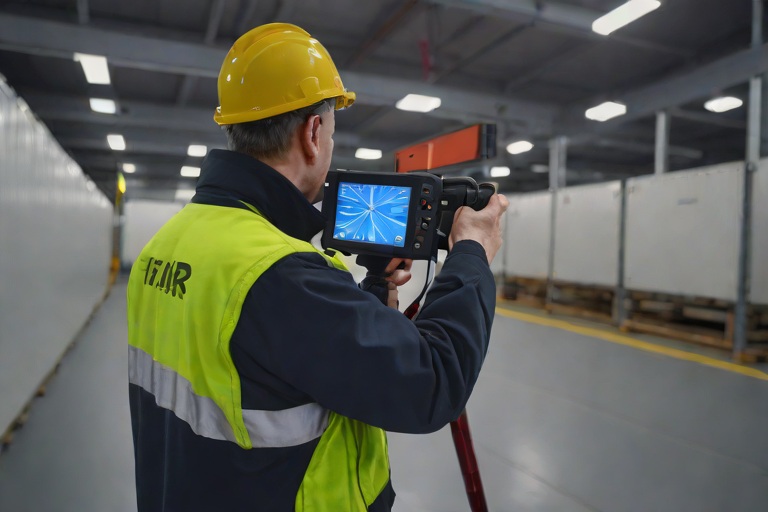
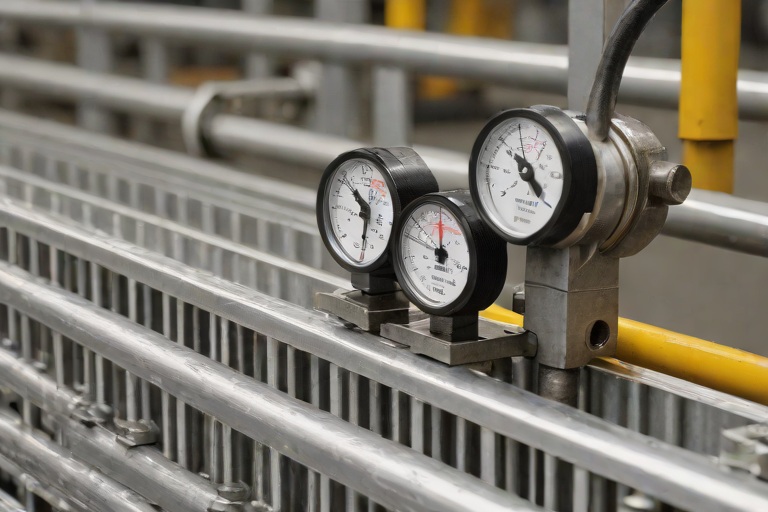
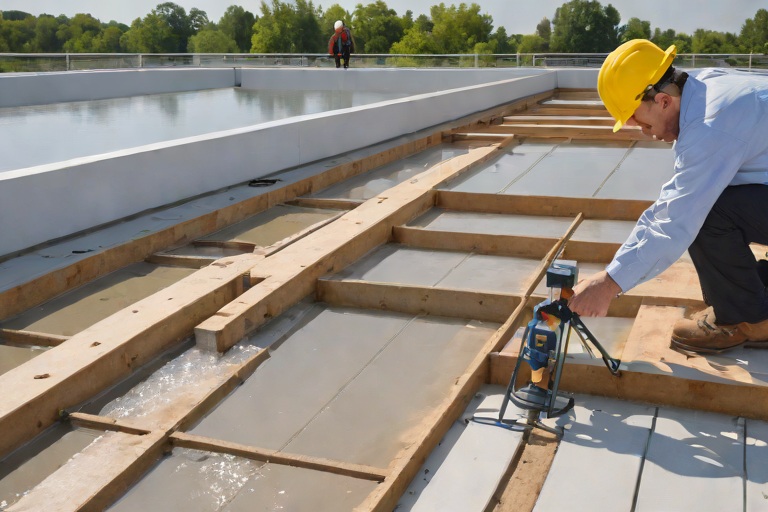
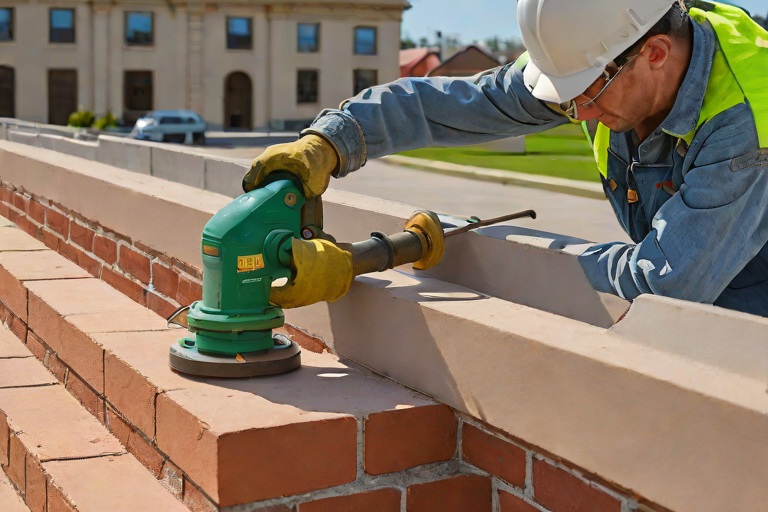
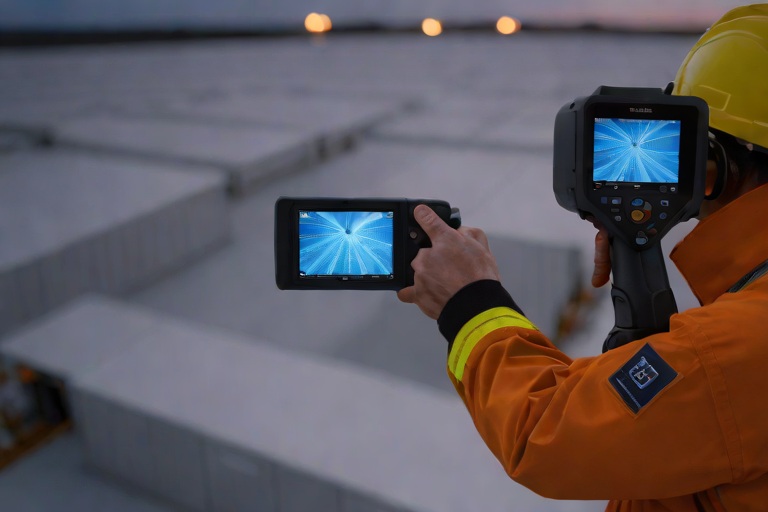
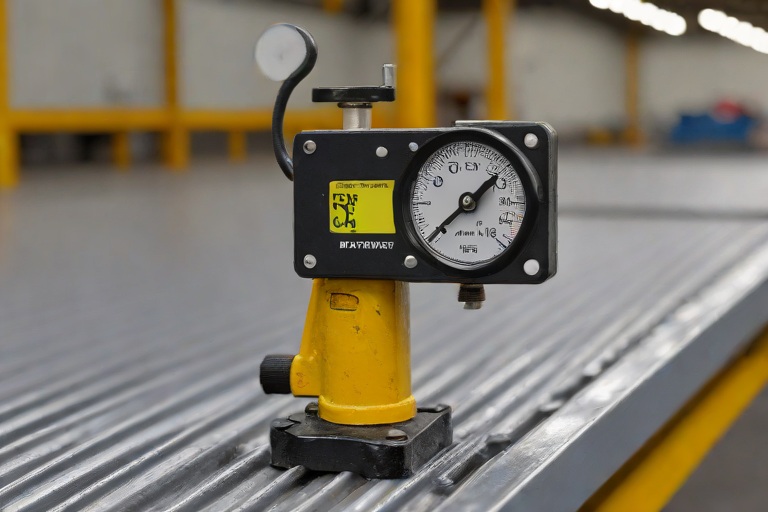
To counteract this, we implemented a rigorous tool temperature calibration protocol. We utilized infrared thermography to monitor the interface temperature in real-time. The induction tool was calibrated to deliver a specific wattage that ensured the membrane reached its optimal fusion temperature—typically between 400 and 600 degrees Fahrenheit—regardless of the substrate's ambient temperature. This precision prevents the "scorching" of the TPO, which occurs when too much heat is applied, causing the polymer to degrade and lose its tensile strength.
- Utilization of high-frequency induction coils to generate targeted thermal energy.
- Real-time infrared monitoring to ensure the fusion zone reaches the required temperature threshold.
- Calibration of dwell time to account for the increased heat dissipation of frozen steel decking.
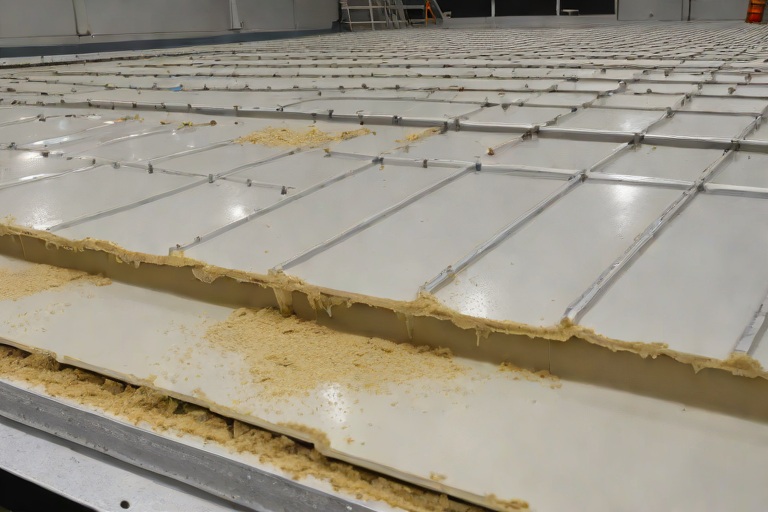
- Verification of weld integrity through destructive peel tests conducted on sample plates.
Weighted Magnetic Cooling Clamping and Stress Distribution
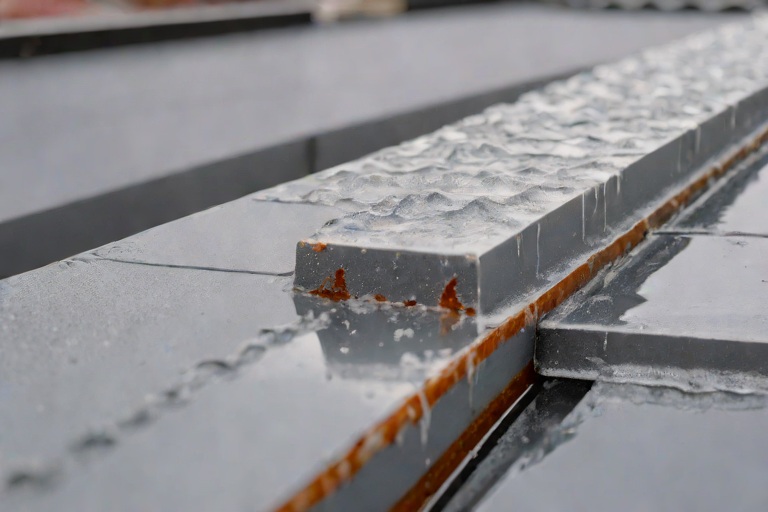
One of the most overlooked aspects of cold-weather membrane attachment is the cooling phase. When a membrane is induction-welded in sub-zero temperatures, the temperature gradient between the weld point and the surrounding material is extreme. This can lead to rapid contraction, resulting in "oil-canning" or internal stresses that pull the weld apart before it has fully cured. To stabilize the bond, we employed a weighted magnetic cooling clamping system. These clamps serve a dual purpose: they provide the necessary downward pressure to ensure intimate contact between the membrane and the plate, and they act as a heat sink to regulate the cooling rate.
By applying a calibrated weight through magnetic clamping, we ensured that the membrane remained flat and undisturbed during the critical transition from a molten state to a solid state. This process prevents the formation of micro-voids within the weld, which are often the starting points for delamination. The magnetic clamps were positioned strategically across the bonding plate to distribute the load evenly, ensuring that the bond strength was uniform across the entire attachment point, rather than concentrated at the edges.
- Application of magnetic clamps to maintain constant pressure during the cooling cycle.
- Regulation of the cooling rate to prevent thermal shock and polymer shrinkage.
- Elimination of air pockets and micro-voids within the fusion zone.
- Strategic placement of clamps to ensure uniform stress distribution across the bonding plate.
Wind Resistance Analysis and Long-Term Structural Envelope Stability
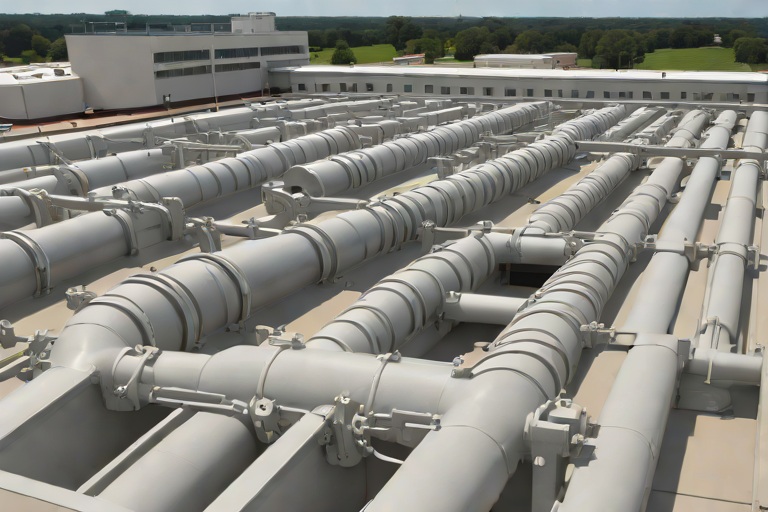
The final phase of our audit focused on the wind uplift resistance of the induction-welded system. In pharmaceutical facilities, roof-mounted HVAC and air filtration units often create localized turbulence, increasing the wind load on the membrane. We analyzed the bond strength against ANSI/SPWind standards to ensure the facility could withstand peak gust events. Because induction welding creates a wide-area bond rather than a single-point mechanical attachment, the load is distributed across a larger surface area of the membrane, significantly reducing the risk of "zipper" failures where one fastener failure leads to a cascading collapse.
Our engineering analysis confirmed that the induction-welded plates provided a superior uplift rating compared to traditional mechanically attached systems. The fusion weld essentially turns the membrane and the plate into a single structural unit. Furthermore, the lack of fasteners means there is no risk of "backing out" due to the constant thermal expansion and contraction cycles typical of cold-weather climates. The result is a building envelope that is not only watertight but structurally resilient against the most severe atmospheric pressures.
- Comparison of point-load mechanical fasteners versus distributed-load induction bonding.
- Analysis of peel strength using ASTM-standardized pull tests to verify bond longevity.
- Evaluation of the envelope's performance against high-velocity wind zones and turbulence.
- Long-term stability assessment focusing on the coefficient of thermal expansion in TPO membranes.
Aquashield Roofing Corporation
4006 Morris Ct.
Chesapeake, VA 23323
Direct Line: 757-553-5191
GPS Coordinates: 36.755164, -76.353932
Virginia Beach Roofing Company - Roofing Service Virginia Beach VA, Roofing Contractor
585 S Birdneck Rd #106
Virginia Beach, VA 23451
Direct Line: +17576318100
Google Maps Plus Code: RXCX+V7 Virginia Beach, Virginia
GPS Coordinates: 36.822156, -76.001565