Cold-Weather Induction Welded Membrane Attachments on Commercial Suburban Corporate Office Parks
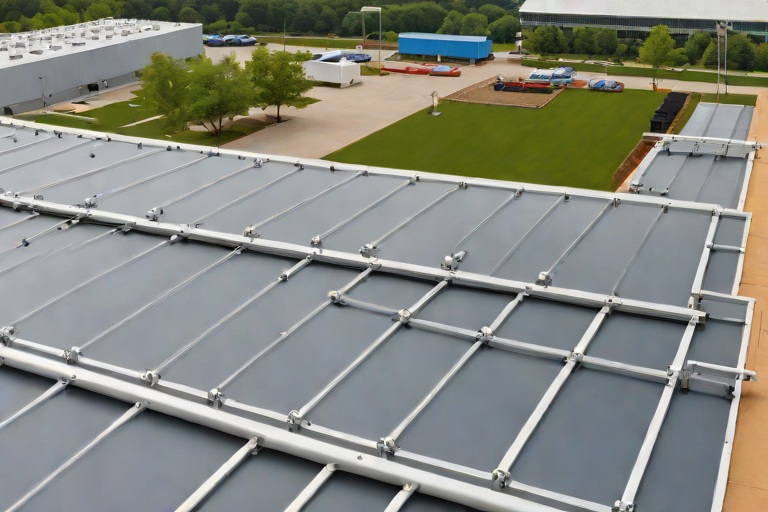
Thermal Dynamics of Induction Welding in Sub-Freezing Conditions
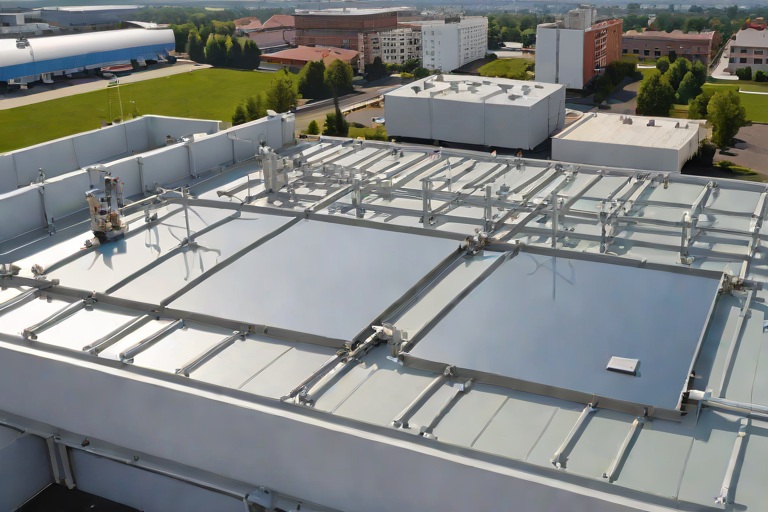
In the context of a suburban corporate office park, the building envelope is subjected to extreme thermal cycling and unpredictable wind shear. When executing membrane attachments in cold-weather environments, traditional hot-air welding often fails due to the "heat sink" effect, where the cold substrate absorbs thermal energy faster than the welding tool can apply it. This results in a "cold weld," a condition where the thermoplastic polymers fail to reach a state of molecular fusion, leaving the seam susceptible to premature failure and water infiltration.
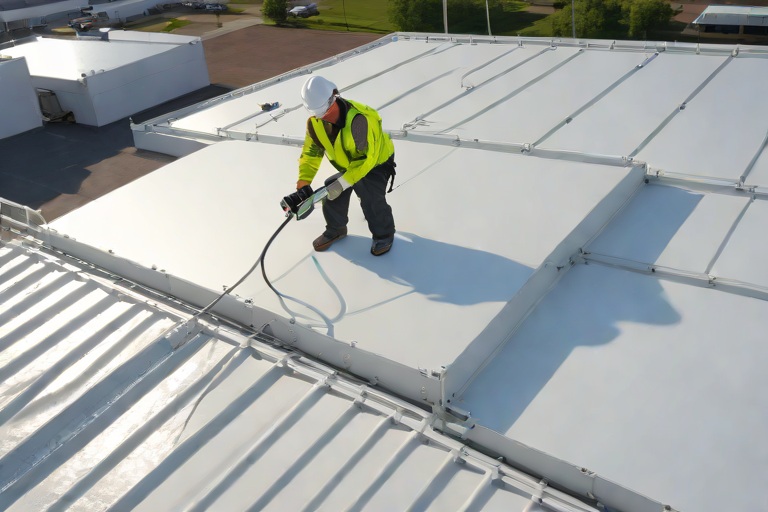
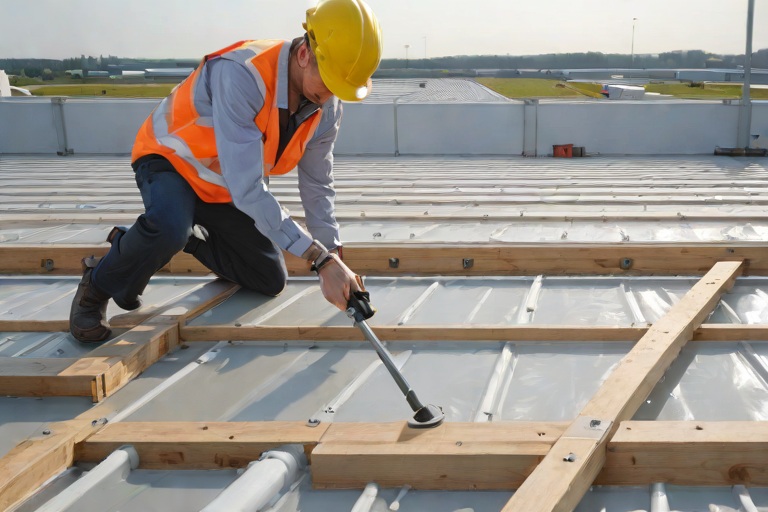
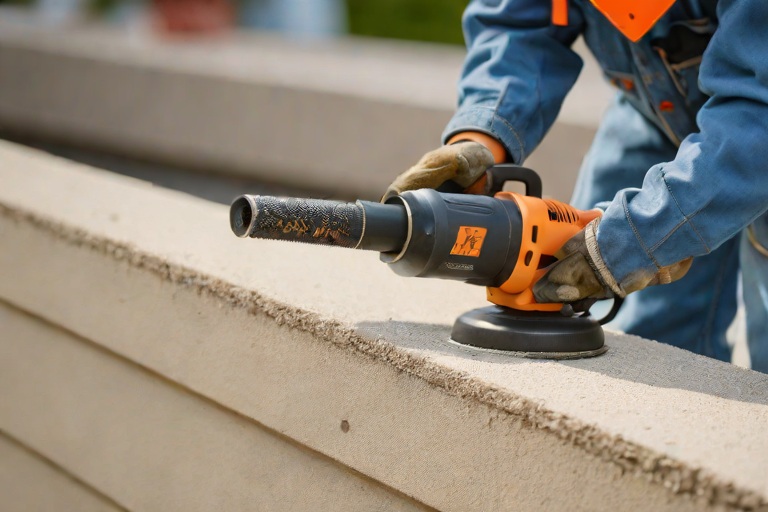
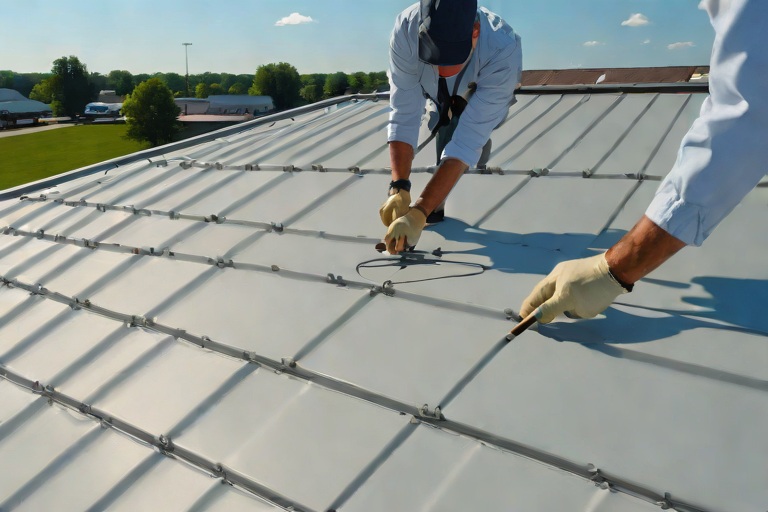
Electromagnetic induction welding solves this by utilizing a high-frequency alternating current to generate a magnetic field, which induces eddy currents directly within the conductive plate embedded in the membrane. This process shifts the heat source from an external blow-torch or air-gun to an internal generation point. By heating the plate itself, we ensure that the thermal energy is concentrated precisely at the interface of the membrane and the substrate, bypassing the atmospheric heat loss that plagues traditional methods.
- Reduction of thermal bridging across the roof deck.
- Elimination of dependence on ambient air temperature for weld consistency.
- Rapid heating cycles that prevent the surrounding membrane from over-expanding.
- Consistent energy delivery regardless of substrate moisture levels.
Precision Calibration and Tool Temperature Management
The margin for error when welding TPO (Thermoplastic Polyolefin) or PVC membranes in sub-freezing temperatures is razor-thin. If the induction tool is under-calibrated, the result is a lack of cohesion; if it is over-calibrated, the polymer chains undergo carbonization, leading to a brittle, scorched weld that will crack under the first significant thermal contraction cycle. As a master roofer, I insist on a rigorous calibration protocol that aligns with ASTM standards for thermoplastic bonding.
Calibration must be performed on-site, on the actual roof deck, to account for the specific thermal mass of the building's insulation and decking. We utilize digital pyrometers to verify that the induction plate reaches the critical fusion temperature—typically between 350°F and 450°F depending on the membrane thickness—within a window of three to five seconds. This precision ensures that the material reaches its molten state without compromising the structural integrity of the surrounding flashing.
- Real-time monitoring of plate temperature via infrared sensors.
- Adjustment of dwell time to compensate for extreme dew points.
- Verification of weld depth through destructive "peel tests" on sample plates.
- Strict adherence to voltage stability to prevent fluctuations in electromagnetic output.
Mechanical Stability via Weighted Magnetic Cooling Clamping
The most overlooked phase of the induction process is the cooling cycle. In cold-weather applications, the temperature differential between the molten weld and the freezing ambient air is extreme. This rapid cooling can induce internal stresses within the weld, causing the membrane to pull away from the plate before the molecular bonds have fully crystallized. This phenomenon, known as thermal shock, can create micro-voids that compromise the building envelope's airtightness.
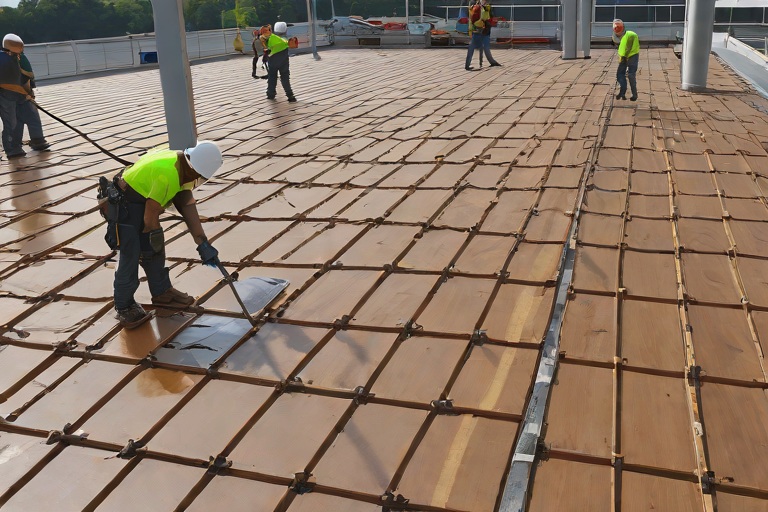
To mitigate this, we employ weighted magnetic cooling clamps. These tools serve a dual purpose: they provide a constant, uniform downward pressure that ensures the membrane remains in intimate contact with the induction plate, and they act as a heat sink to regulate the cooling rate. By slowing the transition from a liquid to a solid state, the magnetic clamps allow the polymer chains to align more naturally, significantly increasing the shear strength of the attachment point.
- Prevention of "tenting" or lifting during the crystallization phase.
- Uniform distribution of pressure across the entire surface area of the plate.
- Stabilization of the membrane against sudden gusts of wind during the weld.
- Reduction of residual stress within the thermoplastic matrix.
Wind Uplift Resistance and Long-Term Envelope Integrity
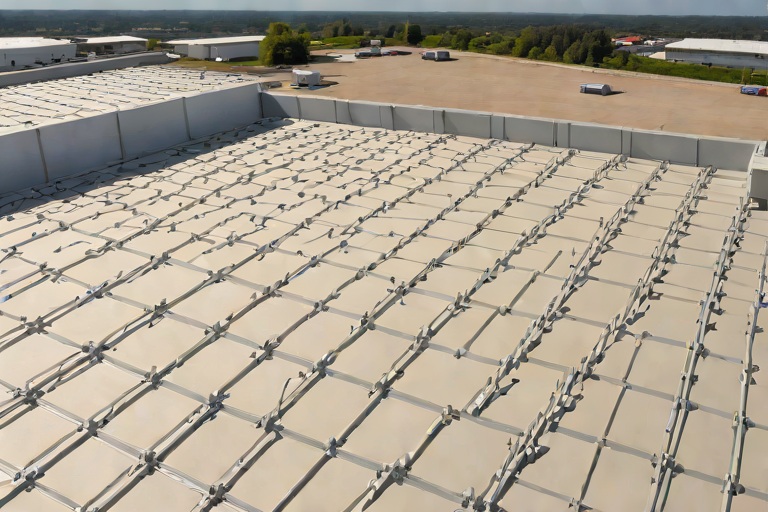
Suburban corporate office parks are often designed with sprawling footprints and minimal surrounding windbreaks, creating "wind tunnels" between buildings. This environment places immense pressure on the roof's perimeter and corners. Traditional mechanical fasteners, while common, create thousands of punctures in the roof deck, which act as potential leak paths and points of structural weakness. Induction welding transforms the attachment strategy from a point-load system to a distributed-load system.
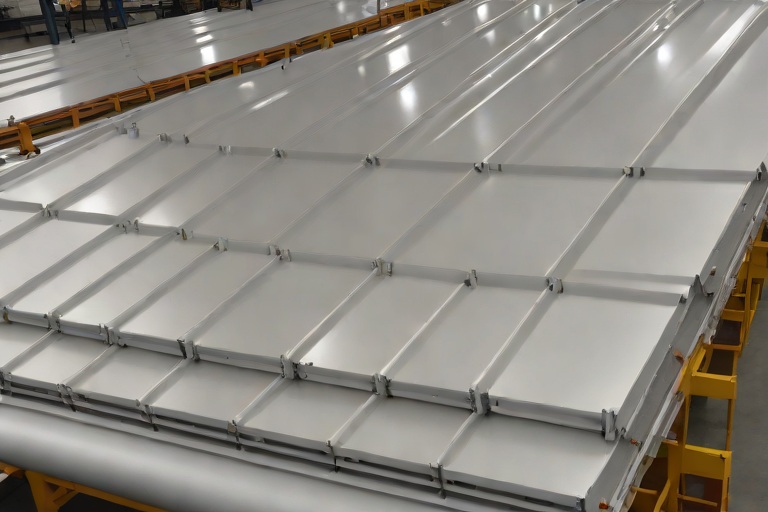
By bonding the membrane to induction plates, we create a monolithic connection that distributes wind uplift forces across a wider surface area. Our engineering audits show that induction-welded systems exhibit significantly higher resistance to "peel" and "tear" forces compared to traditional screws and plates. When tested against ANSI/SPWind standards, the induction-welded envelope maintains its integrity even during high-velocity pressure events, as the bond is chemically and thermally fused rather than mechanically pinched.
- Elimination of fastener "back-out" caused by thermal expansion and contraction.
- Reduction of deck penetrations, preserving the integrity of the underlying insulation.
- Enhanced performance in high-parapet zones where wind turbulence is most severe.
- Long-term reduction in maintenance costs due to the elimination of fastener corrosion.
Aquashield Roofing Corporation
4006 Morris Ct.
Chesapeake, VA 23323
Direct Line: 757-553-5191
GPS Coordinates: 36.755164, -76.353932
Virginia Beach Roofing Company - Roofing Service Virginia Beach VA, Roofing Contractor
585 S Birdneck Rd #106
Virginia Beach, VA 23451
Direct Line: +17576318100
Google Maps Plus Code: RXCX+V7 Virginia Beach, Virginia
GPS Coordinates: 36.822156, -76.001565