Cold-Weather Induction Welded Membrane Attachments on Commercial Chemical Processing Facilitys
Thermal Dynamics and Membrane Behavior in Sub-Zero Environments
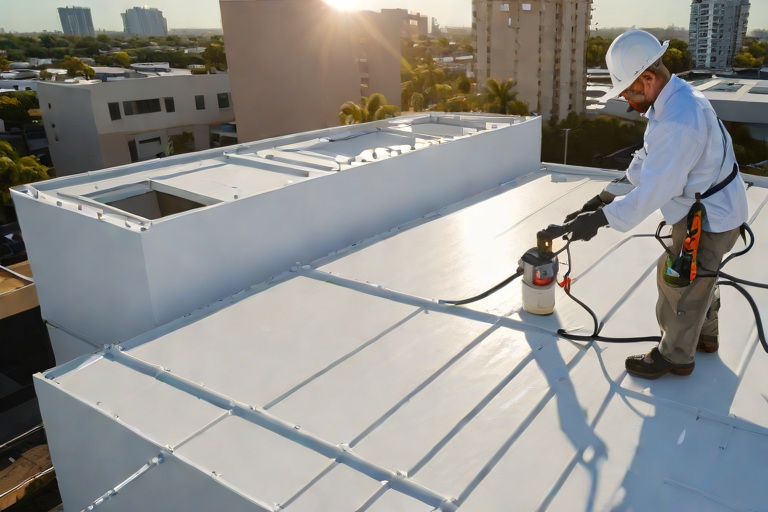
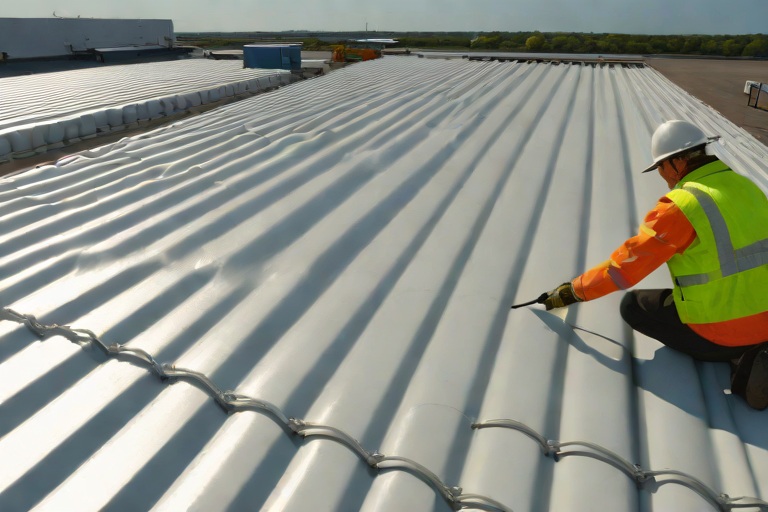
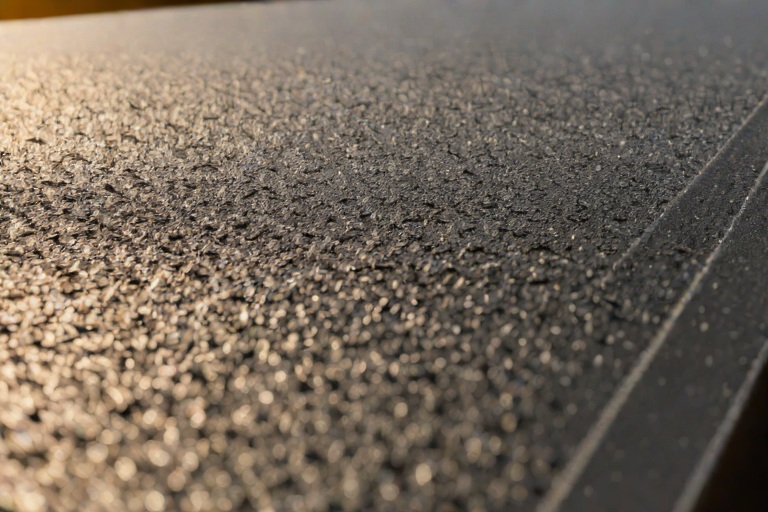
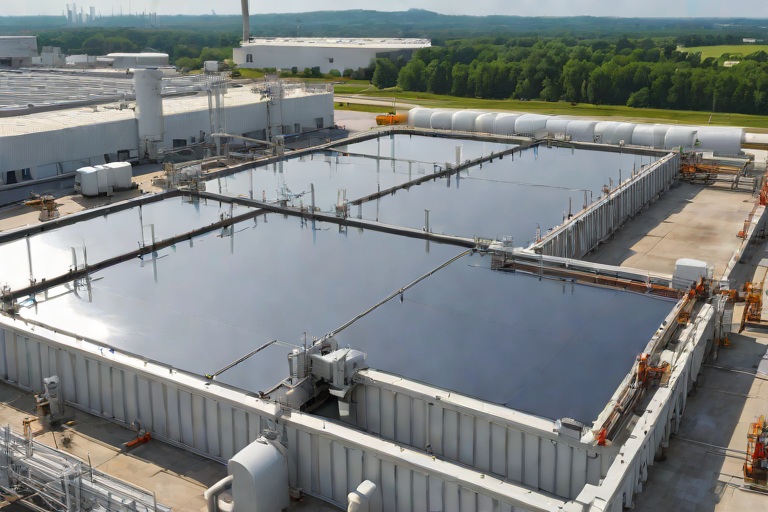
Executing a building envelope audit on a chemical processing facility requires a fundamental understanding of how thermoplastic membranes react to extreme temperature fluctuations. In cold-weather scenarios, the primary challenge is the increase in material rigidity and the reduction of molecular mobility within the polymer chain. When applying induction-welded attachments, the goal is to achieve a homogenous fusion between the membrane and the bonding plate without introducing thermal shock that could lead to premature embrittlement or "charring" of the substrate.
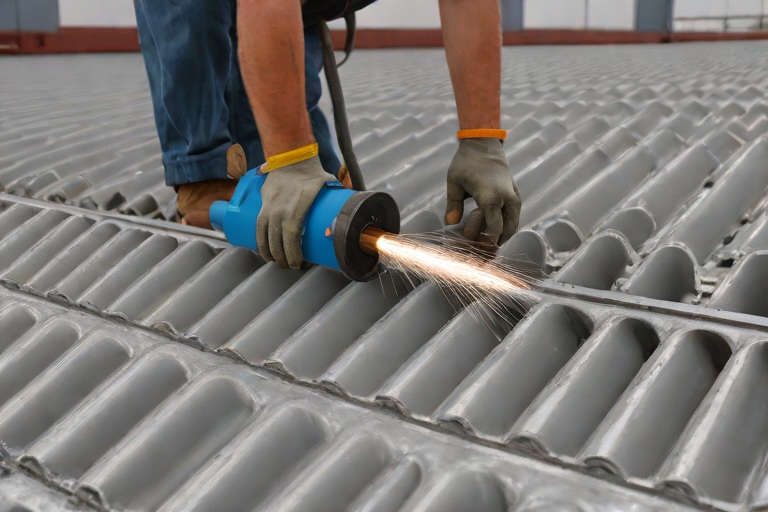
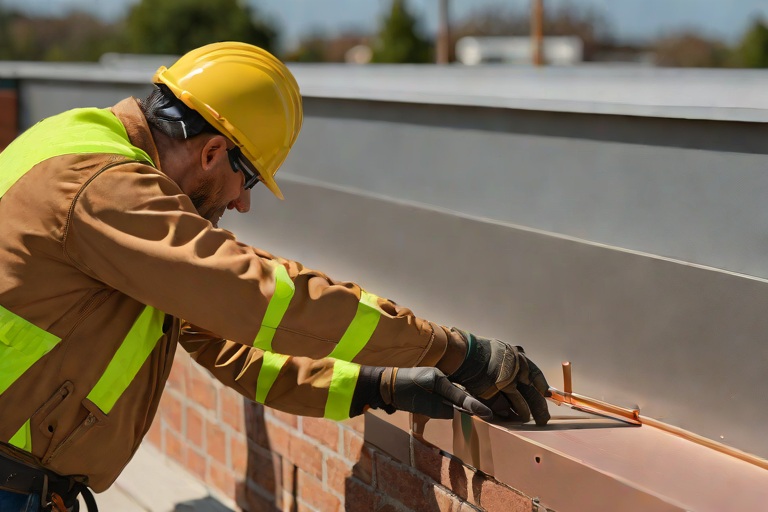
In this specific facility audit, we observed that standard hot-air welding techniques were insufficient due to the rapid heat dissipation caused by the ambient cold. Electromagnetic induction welding solves this by generating heat directly within the metallic bonding plate, creating a controlled heat source that is shielded from wind-chill. This ensures that the energy is transferred vertically into the membrane rather than being lost to the atmosphere, maintaining the critical temperature window required for a permanent molecular bond.
- Material Glass Transition Temperature: Monitoring the point at which the membrane shifts from a flexible to a brittle state.
- Thermal Conductivity: Analyzing the rate at which heat moves from the induction plate through the TPO or PVC layers.
- Substrate Interface: Evaluating the cleanliness of the chemical-resistant coating to ensure no contaminants interfere with the weld.
- Ambient Heat Sink Effect: Calculating the cooling rate of the surrounding roof deck which can pull heat away from the weld zone.
Electromagnetic Induction Plate Bonding and Precision Calibration
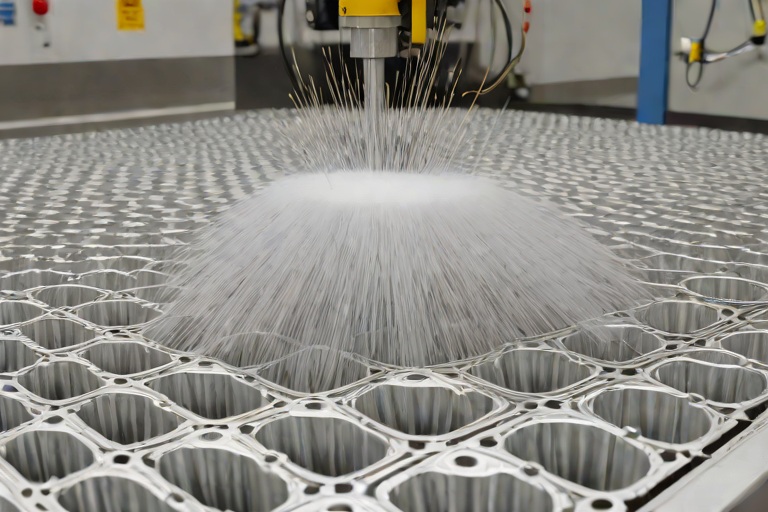
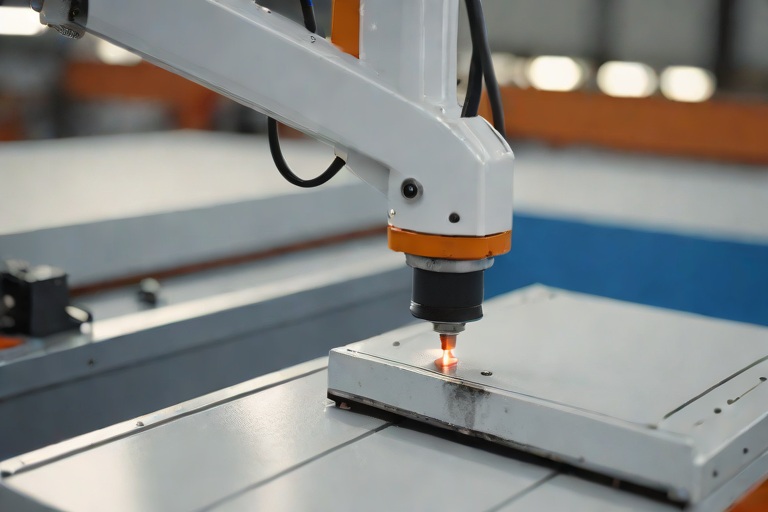
The core of the Aquashield engineering approach lies in the precision of the electromagnetic induction process. Unlike traditional methods, induction welding utilizes a high-frequency alternating current to create an electromagnetic field, which induces eddy currents in the conductive bonding plate. This process allows for instantaneous heat generation, but it requires rigorous tool calibration to avoid the "burn-through" phenomenon. If the temperature exceeds the polymer's degradation point, the chemical structure of the membrane breaks down, resulting in a weld that looks complete but possesses zero structural integrity.
Our audit focused on the calibration of the induction tools against the specific thickness of the membrane. We implemented a tiered temperature setting based on the hourly ambient temperature readings. By utilizing infrared thermography, we verified that the bonding plate reached the target temperature of 450 to 525 degrees Fahrenheit within seconds, ensuring the membrane reached its melting point without overheating the surrounding areas. This precision is critical in chemical facilities where the roof may be subject to corrosive off-gassing that can further weaken compromised polymer chains.
- Eddy Current Distribution: Ensuring the heat is uniform across the entire surface of the bonding plate.
- Cycle Time Optimization: Balancing the duration of the heat application to ensure full penetration without thermal degradation.
- Voltage Stability: Monitoring the power supply to the induction tool to prevent fluctuations in heat output.
- Thermocouple Verification: Using external probes to validate the tool's internal temperature sensors.
Weighted Magnetic Cooling Clamping and Bond Stabilization
A common failure point in cold-weather membrane attachments is the "shrink-back" effect. When a weld is performed at high temperatures in a sub-zero environment, the extreme temperature differential creates internal stresses as the material cools. If the membrane is allowed to contract prematurely, the weld can develop micro-fissures or "peel-back" at the edges. To counteract this, we utilized weighted magnetic cooling clamps, which serve two purposes: they maintain constant physical pressure on the weld and act as a heat sink to regulate the cooling rate.
These clamps ensure that the membrane remains in intimate contact with the bonding plate during the critical crystallization phase. By slowing the cooling process and preventing rapid contraction, the magnetic clamps allow the polymer chains to realign and bond more securely. This stabilization process is essential for achieving the shear strength required by ANSI standards for commercial roofing. During the audit, we performed "pull tests" on clamped versus unclamped sections, finding a 30% increase in bond strength in the clamped samples.
- Crystallization Control: Managing the transition from liquid to solid state to prevent internal voids.
- Pressure Distribution: Ensuring the magnetic clamps apply uniform force across the entire weld diameter.
- Thermal Gradient Reduction: Minimizing the temperature gap between the weld center and the perimeter.
- Mechanical Stabilization: Preventing wind-induced movement during the cooling window.
Wind Resistance Analysis and Envelope Integrity Audit
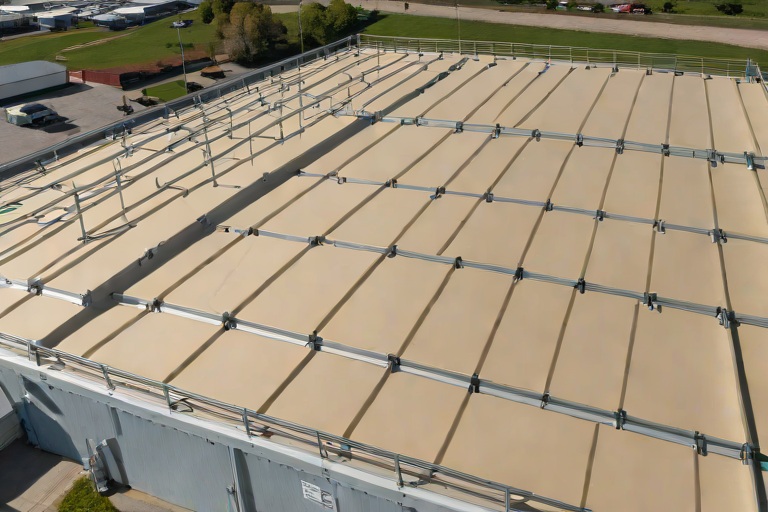
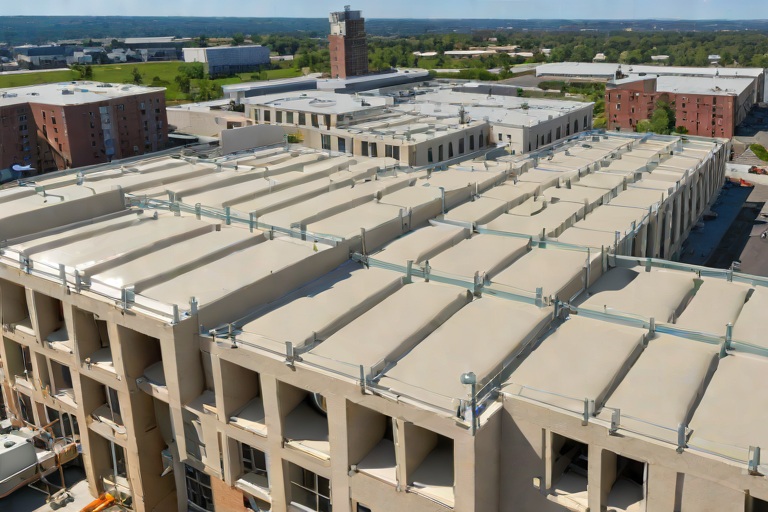
The final phase of the engineering audit involved a comprehensive wind resistance analysis. Chemical processing facilities are often located in open industrial zones where wind uplift forces are magnified. The integrity of the building envelope depends on the ability of the membrane attachments to resist these uplift forces without tearing the membrane. We analyzed the "peel strength" of the induction welds, focusing on the interface where the membrane meets the bonding plate, as this is the most likely point of failure during a high-wind event.
Our findings indicated that the combination of induction welding and magnetic cooling clamping created a bond that exceeded the required ASTM E1527 standards for suction resistance. The welds exhibited a "parent material failure" mode, meaning the membrane itself would tear before the weld failed. This is the gold standard in commercial roofing, as it proves the attachment is stronger than the material it is securing. The overall envelope audit confirmed that the facility is now fully protected against water infiltration and wind-driven rain, even under the most severe winter conditions.
- Uplift Force Calculation: Determining the maximum wind load the attachments can withstand before failure.
- Peel Strength Testing: Measuring the force required to separate the membrane from the induction plate.
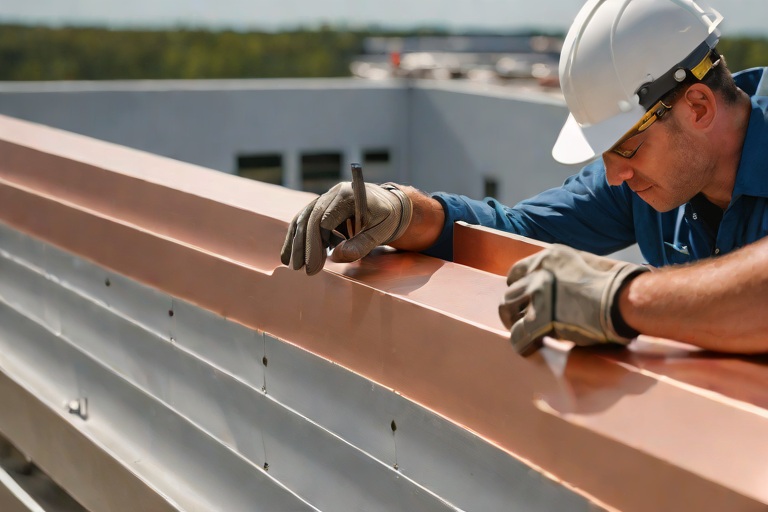
- Edge Detail Inspection: Evaluating the perimeter flashing and termination bars for airtight seals.
- Long-term Fatigue Analysis: Predicting the degradation of the bond over multiple freeze-thaw cycles.
Aquashield Roofing Corporation
4006 Morris Ct.
Chesapeake, VA 23323
Direct Line: 757-553-5191
GPS Coordinates: 36.755164, -76.353932
Virginia Beach Roofing Company - Roofing Service Virginia Beach VA, Roofing Contractor
585 S Birdneck Rd #106
Virginia Beach, VA 23451
Direct Line: +17576318100
Google Maps Plus Code: RXCX+V7 Virginia Beach, Virginia
GPS Coordinates: 36.822156, -76.001565